Acoustic Treatment Solutions for Menlo Park, CA Spaces
Acoustic treatment in Menlo Park, CA improves sound quality and reduces noise transfer through strategic material placement, specialized panel installations, and architectural modifications that optimize audio clarity for conference rooms, home theaters, and commercial venues throughout the Peninsula.
How does poor acoustics affect communication and productivity?
Excessive reverberation creates overlapping speech that reduces comprehension, causes listener fatigue, and forces speakers to raise voices, decreasing communication effectiveness in meeting spaces and collaborative work environments.
Hard surfaces including glass walls, concrete floors, and smooth ceilings reflect sound waves that bounce repeatedly before dissipating. This reflection buildup muddles speech clarity, making conversations difficult to follow and video conferences frustrating when remote participants struggle to understand discussions.
Background noise from HVAC systems, adjacent spaces, and exterior sources compounds acoustic problems. When ambient noise levels rise, people speak louder to be heard, creating escalating volume that increases stress and reduces focus during meetings or concentrated work activities.
Which acoustic treatment methods work best for different spaces?
Absorption panels reduce reverberation in conference rooms, bass traps control low-frequency buildup in home theaters, and diffusers scatter sound reflections to maintain liveliness without harshness in performance venues.
Ceiling-mounted panels treat large reflective surfaces in open offices without consuming wall space needed for displays or whiteboards. Positioning panels at first-reflection points where sound bounces between speakers and listeners provides maximum speech clarity improvement with minimal material quantities.
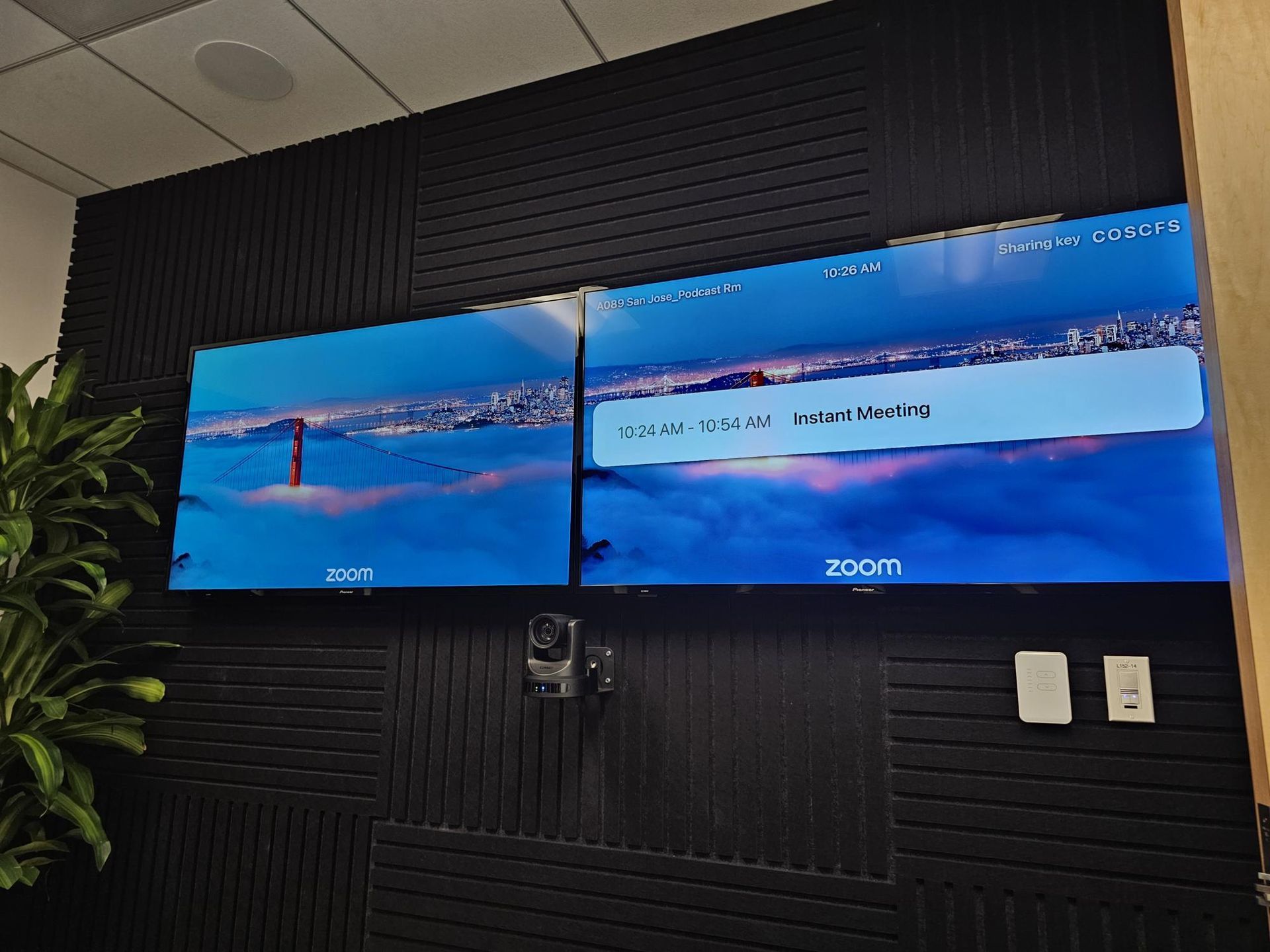
Fabric-wrapped panels blend with interior design while delivering acoustic performance. sound system installation services in Menlo Park coordinate treatment colors and mounting approaches with architectural finishes, ensuring acoustic improvements enhance rather than detract from visual aesthetics in professional and residential spaces.
Do room dimensions affect acoustic treatment requirements?
Small rooms experience stronger modal resonances at specific frequencies, while large spaces require more extensive treatment to control reverberation times that increase with volume and surface area.
Parallel walls create standing waves that cause uneven frequency response, making some notes louder than others in music playback or creating feedback-prone spots during amplified presentations. Angling walls or applying asymmetric treatment breaks up standing wave patterns for more uniform sound distribution.
Ceiling height influences treatment placement strategies. Low ceilings benefit from edge-mounted bass traps addressing room corners where low frequencies accumulate, while high ceilings in atriums or performance spaces need distributed coverage preventing long reverberation that makes speech unintelligible at distance.
Can Menlo Park building characteristics create unique acoustic challenges?
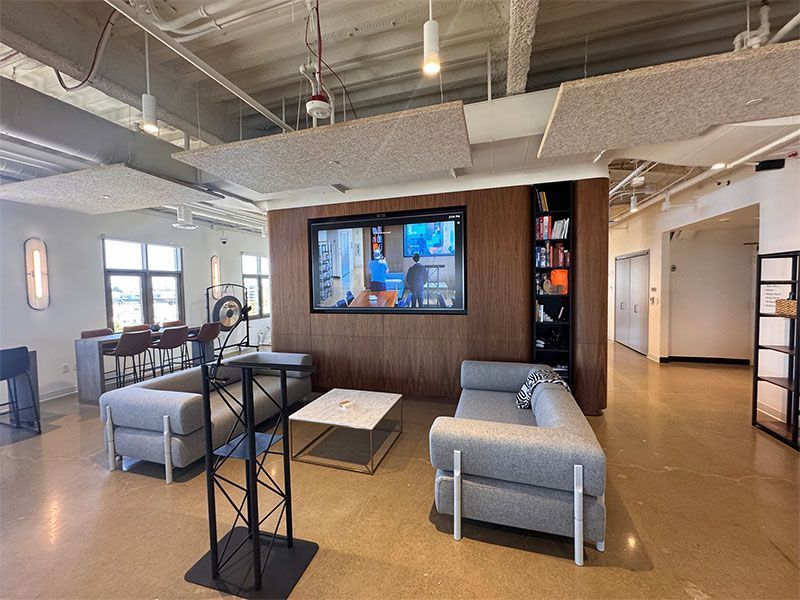
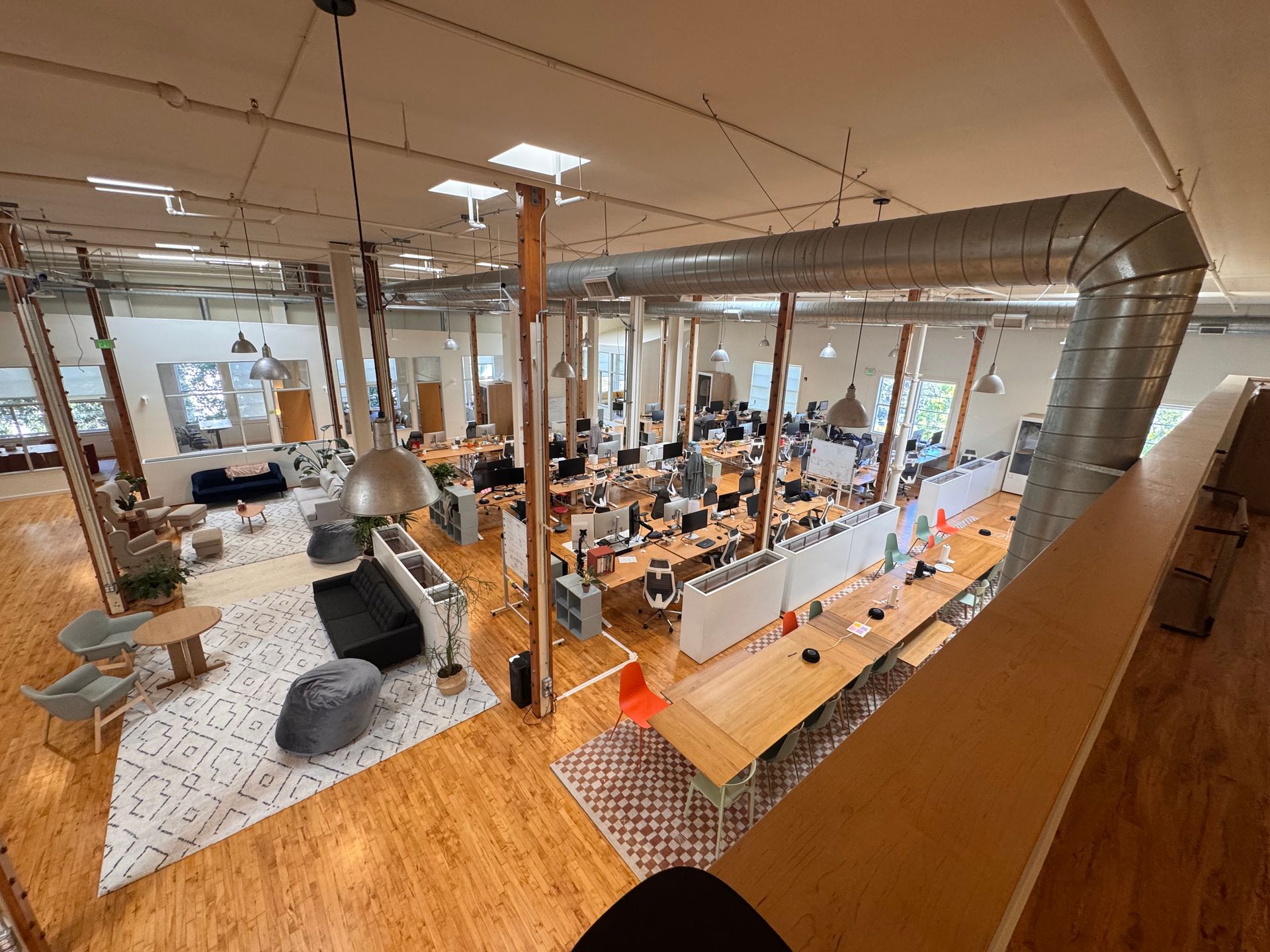
Many Menlo Park office buildings feature modern open-plan designs with glass partitions and exposed concrete elements that reflect sound extensively, requiring comprehensive treatment for acceptable speech privacy and audio clarity.
Historic buildings with plaster walls and wood floors present different acoustic profiles than contemporary construction. Restoration projects must balance acoustic improvements with preservation requirements, selecting treatment methods compatible with architectural character and historical integrity standards.
Proximity to Highway 101 and Caltrain routes introduces external noise that penetrates buildings through windows and ventilation systems. corporate AV solutions in Menlo Park may include soundproofing measures beyond standard acoustic treatment when controlling external noise sources becomes necessary for acceptable indoor audio environments.
Effective acoustic design transforms challenging spaces into comfortable environments for clear communication and audio enjoyment. Virtual AV evaluates room acoustics and implements treatment solutions that address specific sound quality issues affecting your space utilization.
Start your acoustic improvement project with Virtual AV to create spaces where sound quality supports your communication needs and listening preferences.